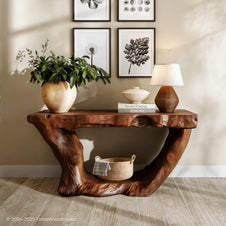
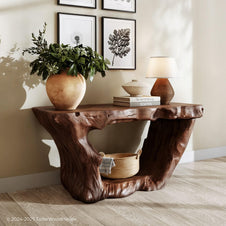
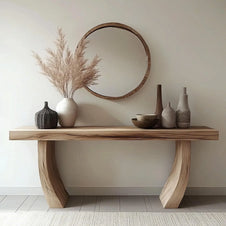
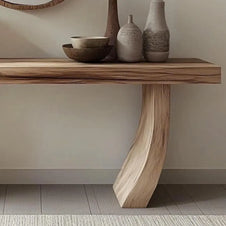
Showcase Your Personality with Our Unique Coffee Table
Elevate your living room with our coffee table, a perfect blend of style and function. This eye-catching piece invites conversation and reflects your distinct taste, making it the ideal centerpiece for entertaining guests.
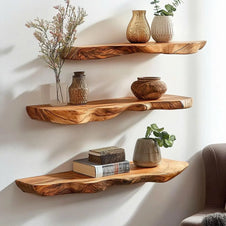
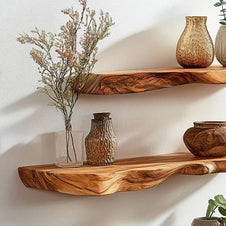
Bring Rustic Charm to Your Walls with Our Wood Wall Art
Elevate your living room with our wood wall art, a perfect blend of natural warmth and rustic style. This eye-catching piece invites conversation and reflects your distinct taste, making it the ideal focal point for entertaining guests
Make your new space feel alive with our tree bookshelf, perfect for those moving or renovating. Its unique design not only serves as a functional storage solution but also infuses your home with the beauty of nature, creating a serene and inviting atmosphere.
Our furniture features nature-inspired designs like tree shapes and live edges, bringing distinctive charm and warmth to your home
Crafted by local artisans
Handcrafted by local artisans with 10+ years of experience, our pieces blend quality and artistry—celebrate local talent with durable, beautiful furniture for your home
Fully customizable products
We offer full customization in size, shape, and color to match your style—let’s craft furniture that fits perfectly in your space
Our Best Sellers
Made to Order
Free Delivery
100% Handcrafted
Our Brand Story
Our vision is to inspire a deeper connection to nature through one-of-a-kind furniture that embraces sustainable practices and supports skilled artisans
In a world where mass production often overshadows craftsmanship, we came together to create a brand that honors the beauty of nature and the skill of local artisans. Our founding team shares a commitment to sustainability and the art of mindful living
We are dedicated to tailoring each piece to individual lifestyles, preserving traditional craftsmanship, and prioritizing responsible sourcing, enriching homes while protecting the planet for future generations
Our Happy Customers And Many More
Customized tree bookshelf above sofa
Ronny
"From the first contact till the final shelf on the wall I’m very happy. I’ve been in touch with Andrew during the whole process and we discussed and adjusted the details to my full satisfaction!!! Everything thing was securely packed and arrived without any issues. I love my shelf :)"
"Andrew and the team worked through several conversations and pictures to make the mantel and console table meet my vision in design and color. I will order from them again."
Custom Rustic Wood Narrow Console Table for Entryway or Living Room
Nicole
"Gorgeous console table that looks absolutely stunning in my entryway. It’s quirky and different, but also graceful and unobtrusive, so it goes nicely with the rest of the room. I couldn’t be happier with the quality, feel, color, and shape. Also, the customer service was excellent. They had no trouble working with me to adjust the design around my oddly placed floor vent and outlet. Design, creation and shipping were all super fast."
"This product is amazing! It is beautiful and the customer service was outstanding with great communication and fast shipping. I think these floating shelves are really gorgeous and I highly recommend this new shop! Thanks guys."
Choosing a coffee table is about more than finding a design you like. The right table should fit your sofa, leave enough room to move around, suit the way you use your living room, and complement the rest of your furniture.
From size and shape to material and storage, a few practical decisions can make a big difference. Use this guide to find a coffee table that fits your space comfortably and works well for everyday living.
How to Choose the Right Coffee Table Size
Getting the size right should be your first step. A coffee table that is too large can make a room feel cramped, while one that is too small may look disconnected from the seating area.
Before shopping, measure your sofa, the available floor space, and the distance between your seating and other furniture.
How Long Should a Coffee Table Be?
As a general starting point, choose a coffee table that is about two-thirds the length of your sofa. This creates a balanced look without making the table extend too far beyond the seating area.
For example, a 90-inch sofa can work well with a coffee table around 54 to 60 inches long. The exact size depends on your room layout and the amount of walking space available.
For smaller sofas, loveseats, or compact living rooms, a shorter table may be more practical. The goal is to keep the coffee table proportional to the seating rather than simply choosing the largest table that fits.
How Tall Should a Coffee Table Be?
A coffee table generally works best when its height is close to the height of your sofa seat or slightly lower. A table that sits noticeably higher than the cushions can feel awkward to use and may interrupt the visual balance of the room.
A lower coffee table can create a relaxed, modern look, while a table closer to sofa height can be more convenient for eating, working, or reaching drinks.
Measure the actual seat height of your sofa before choosing a table, especially if you have a low-profile or unusually tall sofa.
See more: How Tall Should a Coffee Table Be?
How Much Space Should You Leave Around a Coffee Table?
Your coffee table should leave enough clearance for people to move comfortably around it. As a practical guideline, aim for roughly 24 to 30 inches of walking space around the outer edges of the table where people regularly pass.
You may need more space in a main walkway and less in a quiet corner of the room.
Avoid pushing the table so close to other furniture that opening drawers, reclining chairs, or walking through the room becomes difficult. A coffee table should define the seating area without blocking it.
How Far Should a Coffee Table Be From the Sofa?
Leave around 14 to 18 inches between the edge of the sofa and the coffee table as a useful starting range. This gives you enough legroom while keeping drinks, books, and other everyday items within easy reach.
The ideal distance can vary depending on the depth of your sofa and how you use the room. If you frequently stretch your legs toward the table, a little more space may be comfortable. If the room is compact, you may need to work closer to the lower end of the range.
The important thing is to maintain a comfortable balance between accessibility and movement.
See more: How far should coffee table be from couch?
How to Choose a Coffee Table Shape
The shape of your coffee table should work with both your seating arrangement and the overall layout of the room. The right shape can make a space easier to navigate and help the furniture feel more connected.
How to Choose a Rectangular Coffee Table
A rectangular coffee table is a versatile choice for long sofas and larger living rooms. Its elongated shape follows the lines of a standard sofa and provides plenty of surface area for drinks, books, trays, and everyday items.
It also works well when you have a long seating arrangement or want the coffee table to visually anchor the center of the room.
Choose a rectangular table when you have enough space to accommodate its longer footprint without restricting movement.
How to Choose a Round Coffee Table
Round coffee tables are particularly useful when you want to soften a room filled with straight lines and sharp corners. The curved edge also makes it easier to move around the table, which can be helpful in smaller or busy living spaces.
A round table can work especially well with sectional sofas, multiple chairs, or seating arranged around a central point.
If your room has young children, a round design can also eliminate exposed sharp corners around the main seating area.
How to Choose an Oval Coffee Table
An oval coffee table combines some of the benefits of rectangular and round designs. It offers a longer surface while maintaining curved edges that make the table feel less bulky.
This shape works well with longer sofas when you want more usable tabletop space without the sharper corners of a rectangular table.
An oval table can also help maintain a smoother traffic flow through a narrow seating area.
How to Choose a Square Coffee Table
A square coffee table can be a good match for symmetrical seating arrangements, large sectionals, or sofas positioned opposite each other.
Because all four sides have equal proportions, square tables work particularly well when seating surrounds the table from multiple directions.
Before choosing one, make sure the room has enough open space around all four sides. A square table can quickly feel oversized if the surrounding seating area is too compact.
How to Choose a Coffee Table for a Sectional Sofa
Sectional sofas give you more flexibility, but their larger footprint makes proportion especially important.
For an L-shaped sectional, a rectangular, oval, or round coffee table can work depending on the open space in front of the seating. A round table can soften the angular shape of the sectional, while a rectangular table can make better use of a longer open area.
For a U-shaped sectional, consider a round or square coffee table if the seating surrounds a central space fairly evenly.
Measure the open area inside the sectional before shopping. The table should fit comfortably within that space while leaving enough room for people to get in and out of the seating.
How to Choose a Coffee Table Based on Function
Looks matter, but your coffee table also needs to work with the way you actually use your living room.
Think about what normally happens around the table. Do you serve drinks and snacks, keep books nearby, work from the sofa, store remotes, or need extra space for everyday clutter?
Should You Choose a Coffee Table With Storage?
A coffee table with storage can be useful when you want to keep the living room organized without adding another piece of furniture.
Shelves can provide an easy place for books, baskets, or decorative objects, while drawers or enclosed compartments can hide remotes, games, and other small items.
If your room already has plenty of storage, however, a simple tabletop may be all you need. Avoid choosing extra compartments simply because they are available.
Should You Choose a Lift-Top Coffee Table?
A lift-top coffee table can make sense if you regularly work, eat, or use a laptop from the sofa. The raised surface can provide a more comfortable working position than a traditional low tabletop.
For a living room used primarily for relaxing and entertaining, a standard coffee table may be simpler and more visually streamlined.
Think about your daily routine rather than choosing a feature based solely on appearance.
How Kids and Pets Affect Your Coffee Table Choice
If you have children or pets, consider durability, stability, and the shape of the table before choosing a design.
Rounded corners can reduce sharp edges in high-traffic areas. A sturdy construction can help prevent the table from shifting easily, while a durable finish makes everyday spills and scratches easier to manage.
You should also consider how easy the surface is to clean. A beautiful coffee table that requires constant maintenance may not be the most practical choice for a busy household.
How to Choose the Right Coffee Table Material
The material affects more than appearance. It influences durability, maintenance, weight, texture, and how the table fits into the rest of your room.
How to Choose a Wood Coffee Table
Wood is a versatile choice for living rooms because it brings natural warmth and texture into the space. Solid wood coffee tables can also work across a wide range of interior styles, from rustic and farmhouse to modern and transitional.
When choosing a wood table, look at the species, grain pattern, finish, construction, and overall thickness. Natural wood can have variations in grain and color, which gives each piece its own character.
For shoppers who want a more distinctive centerpiece, a live edge wood coffee table preserves the natural edge of the slab and highlights the character of the wood.
How to Choose a Glass Coffee Table
Glass can make a living room feel visually lighter because the transparent surface takes up less visual space.
It can be a useful option for smaller rooms where a heavier tabletop might make the seating area feel crowded. However, glass requires more frequent cleaning and may show fingerprints, dust, and smudges more easily.
Consider your household and maintenance preferences before choosing it.
How to Choose a Marble or Stone Coffee Table
Marble and other stone surfaces can add substantial visual weight and a refined natural texture to a living room.
They are a good option when you want the coffee table to become a strong focal point. However, stone tables can be heavy and may require more attention to spills, stains, and surface care depending on the material and finish.
Think about both appearance and maintenance before making your choice.
How to Choose a Metal Coffee Table
Metal coffee tables can work well in modern, industrial, and minimalist interiors. They are available in a wide range of finishes and can be paired with wood, glass, or stone for a mixed-material look.
A metal base can also provide a lighter visual profile than a solid wood or stone base, depending on the design.
Choose a finish that works with the existing hardware and materials in your room rather than trying to match every piece exactly.
How to Pick a Coffee Table That Matches Your Living Room
Once you have narrowed down the size, shape, and function, you can focus on how the table works with your existing furniture.
The goal is not necessarily to make every piece match. A well-chosen coffee table can either complement the room or introduce enough contrast to give the space more character.
How to Choose the Right Coffee Table Color
Start with the colors already present in your living room. A wood table in a warm natural finish can complement neutral upholstery, while a darker finish can create contrast against a lighter sofa.
You do not need to match the coffee table exactly to your TV stand, side tables, or flooring. Instead, look for colors and undertones that feel connected.
Natural wood is especially versatile because variations in grain and tone can add visual interest without overwhelming the room.
How to Match a Coffee Table With Your Sofa
Your sofa is usually the largest piece in the seating area, so use it as the starting point for choosing your coffee table.
Consider three things together:
Proportion: The table should feel appropriately sized for the sofa.
Shape: Curved tables can soften angular furniture, while rectangular designs can reinforce clean lines.
Material: Similar materials create cohesion, while contrasting materials can add depth.
For example, a natural wood coffee table can bring warmth to a neutral fabric sofa, while a metal-and-wood design can complement a more industrial space.
How to Choose a Coffee Table Style for Your Living Room
Choose a style that supports the overall character of the room rather than following a trend that does not suit your furniture.
Rustic and farmhouse spaces often work well with natural wood, visible grain, and substantial construction. Modern rooms may benefit from cleaner lines and simpler finishes, while transitional interiors can combine traditional materials with more contemporary shapes.
The coffee table does not have to look identical to the rest of your furniture. It simply needs to feel intentional within the room.
Common Coffee Table Buying Mistakes to Avoid
A coffee table can look perfect in a product photo and still feel wrong in your living room. Avoiding a few common mistakes can make the selection process much easier.
Choosing the Wrong Coffee Table Size
Do not choose a table based only on how much tabletop space you want. A large table can overwhelm a small seating area, while a very small table can look disconnected from a large sectional.
Measure your sofa and available floor space first, then choose a size that maintains comfortable proportions.
Choosing the Wrong Coffee Table Shape
The most attractive shape is not necessarily the right shape for your layout.
A rectangular table may work beautifully with a long sofa but feel awkward in a compact room. Likewise, a square table may need more open space than your layout provides.
Choose the shape based on your seating arrangement and traffic flow.
Ignoring the Space Between the Sofa and Coffee Table
A table that sits too close to the sofa can make the room uncomfortable and restrict movement. One placed too far away may be difficult to reach.
Leave enough room for comfortable legroom while keeping the tabletop accessible from the main seating positions.
Choosing Style Over Function
A coffee table is both a design element and a piece of everyday furniture. If you need storage, choose a design that provides it. If you work from the sofa, consider a lift-top. If you have children or pets, prioritize practical construction and easy maintenance.
The right coffee table should look good in your living room and make the space easier to use.
Coffee table books are an easy way to add personality, color, and texture to a living room, but arranging them well takes more than simply stacking a few books together. The right combination of books, decorative accents, and open space can make your coffee table feel polished without looking cluttered.
Whether you have a round, square, or rectangular coffee table, a few simple styling techniques can help you create an arrangement that feels balanced and intentional. Here’s how to style coffee table books for a look that is both beautiful and practical.
How to Choose Coffee Table Books for Styling
Before arranging your coffee table books, choose titles that work well together in size, color, and subject. You do not need a perfectly matching set. A little variation often makes the arrangement feel more natural.
Choose the Right Size
Start with books that are large enough to be noticeable on the table but not so large that they take over the entire surface. Larger coffee table books work especially well as the bottom of a stack, while smaller books can be layered on top.
For a balanced look, mix different sizes rather than using several books with exactly the same dimensions. On a small coffee table, two or three appropriately sized books may be enough.
Coordinate Colors
Color is one of the easiest ways to make a coffee table book arrangement look intentional. Choose books that complement the colors already used in your living room, such as the sofa, rug, artwork, or other decor.
Neutral coffee table books in shades of white, beige, gray, black, or brown are easy to mix with different interiors. If your room has stronger colors, you can also use book covers to introduce a subtle accent color.
The goal is not to make every cover identical. Instead, look for colors that feel connected without being too repetitive.
Choose Books You Actually Like
Coffee table books should be decorative, but they are still books. Choose subjects that reflect your interests, whether that means interior design, architecture, photography, travel, art, fashion, or nature.
Books with attractive covers and interesting content give your coffee table styling more personality. A collection that feels personal will usually look more natural than a stack chosen only for its color.
Before styling your coffee table, make sure it’s positioned comfortably. See how far should coffee table be from couch for practical spacing guidelines.
How to Stack Coffee Table Books
Once you have selected your books, stacking them is the easiest way to create height and structure on your coffee table.
Start With 2-4 Books
For most coffee tables, 2-4 books per stack is a practical starting point. Two books create a simple, minimal look, while three or four books can give a larger table more visual weight.
If you are styling a small coffee table, avoid using too many books. A compact stack can create the same decorative effect without taking up valuable surface space.
Stack From Largest to Smallest
Place the largest coffee table book on the bottom and gradually move toward smaller books as you build the stack. This creates a stable visual foundation and makes each cover easier to see.
You can keep the books perfectly aligned for a clean look or slightly offset them for a more relaxed arrangement. Either approach works as long as the stack feels balanced.
Add One Decorative Object
After creating your stack, place one decorative object on top. A small vase, candle, bowl, sculpture, or other accent piece can add height and texture.
Try not to overload the stack. One well-chosen object is often enough to make the books feel styled without making the arrangement look cluttered.
How to Arrange Coffee Table Books
Stacking the books is only part of the process. Where you place the stack on the tabletop also affects the overall balance of your living room decor.
Create One Simple Stack
One stack of coffee table books works particularly well on small or minimalist coffee tables. Place it slightly off-center and leave enough open space around it for drinks and everyday use.
For a simple arrangement, combine two or three books with one small decorative object. This keeps the table useful while still giving it a finished look.
Create Two Separate Stacks
Larger coffee tables can accommodate two separate stacks. Use books with different sizes or colors so the two arrangements do not look like identical copies.
For example, one stack can hold three books with a vase on top, while another uses two books with a small bowl or sculpture. Varying the height helps create a more dynamic coffee table arrangement.
Leave Some Open Space
One of the easiest ways to improve coffee table styling is to leave some of the surface empty. Negative space keeps the arrangement from feeling crowded and gives each decorative element room to stand out.
Remember that a coffee table is also a functional piece of furniture. Leave enough space for drinks, remotes, snacks, or anything else you regularly use in the living room.
How to Style Coffee Table Books on Different Tables
The shape and size of your coffee table should influence how you arrange your books. A layout that works on a large rectangular table may feel crowded on a small round table.
How to Style Books on a Rectangular Coffee Table
A rectangular coffee table gives you plenty of space to create one or two separate styling zones. Try placing a stack of books toward one end and balancing it with a vase, bowl, or tray.
For a larger rectangular table, two stacks can work well when they have different heights. Keep the center or another section of the tabletop open so the arrangement does not feel too symmetrical or crowded.
How to Style Books on a Round Coffee Table
Round coffee tables naturally draw attention toward the center, so a single stack of coffee table books can work especially well.
Place two or three books near the center and add a small vase or decorative object on top. You can also move the arrangement slightly off-center if you want a more relaxed look.
Avoid spreading too many small objects around the edge of a round table. Keeping the arrangement compact usually creates a cleaner result.
How to Style Books on a Square Coffee Table
A square coffee table gives you several options. A single stack can anchor one area of the tabletop, while a second decorative element can balance the opposite side.
For a larger square coffee table, try creating two visual zones with different heights. For a smaller table, keep the arrangement simple with one stack and one accent piece.
How to Style Books on a Small Coffee Table
When working with a small coffee table, less is usually more. Use two or three books in a compact stack and add one small decorative object.
Avoid large trays, oversized vases, or multiple stacks that leave little room for everyday use. The goal is to add personality without sacrificing function.
Coffee Table Book Styling Ideas
Once you understand the basic arrangement, you can adapt it to different interior styles.
Minimalist Coffee Table Book Styling
Choose a small number of books with simple covers and neutral colors. Stack two or three books neatly and add one understated object.
Keep the rest of the tabletop open to create a clean, uncluttered look.
Neutral Coffee Table Book Styling
Neutral coffee table books work well with beige, cream, white, gray, brown, and natural wood interiors. Combine books with similar tones while varying their sizes and textures.
A ceramic vase, wooden bowl, or simple sculptural piece can complete the arrangement without introducing too much contrast.
Rustic Coffee Table Book Styling
For a rustic living room, combine coffee table books with natural materials such as wood, ceramic, woven textures, or stone.
Books with earthy covers can complement a wood coffee table particularly well. A wooden bowl, simple vase, or natural decorative object can add warmth without making the arrangement feel overly styled.
Want to create a warmer, more inviting look? Check out How to Style a Rustic Coffee Table for simple ideas to decorate and balance your coffee table.
Layered Coffee Table Book Styling
Layering means combining different heights, sizes, textures, and decorative objects rather than keeping everything perfectly aligned.
Start with a larger stack of books, add a smaller book or object on top, and then balance the arrangement with another piece nearby. Keep the height differences noticeable but not excessive.
Coffee Table Books With a Tray
A tray can help organize several decorative elements while giving the coffee table a defined styling area. Place a stack of books inside or beside the tray, then add a small bowl, candle, or vase.
This works particularly well when you want the decor to be easy to move when the table needs to be cleared.
Coffee Table Books With a Vase or Bowl
A vase or bowl is an easy way to add height and shape to a stack of books. Place the books underneath and use one larger decorative piece on top or beside them.
For a more balanced arrangement, choose a vase or bowl that is proportional to the size of the books and coffee table.
Common Coffee Table Book Styling Mistakes
Avoiding a few common mistakes can make your arrangement look more intentional.
Using too many books: A crowded stack can make the table feel heavy and difficult to use.
Making every stack identical: Vary the number of books, heights, or accessories for a more natural arrangement.
Ignoring color: Books with completely unrelated colors can compete with the rest of your living room decor.
Adding too many accessories: Coffee table books should support the arrangement, not disappear underneath decorative objects.
Using the entire tabletop: Leave some negative space so the table remains functional and visually balanced.
The best coffee table book styling does not require a complicated arrangement. Start with a few books that you genuinely like, stack them from largest to smallest, add one or two decorative pieces, and leave enough open space for everyday use. From there, adjust the arrangement to suit your coffee table's shape, size, and the style of your living room.
Finding a coffee table that looks good, fits your living room, and stays within budget doesn't have to be difficult. There are plenty of coffee tables under $200 in different sizes, materials, and styles, from compact tables for apartments to larger designs with storage.
Whether you're furnishing a new space or simply replacing an old table, the key is knowing what to look for beyond the price tag. Here's how to find a coffee table that offers the right balance of style, function, and value.
Are Coffee Tables Under $200 Good Quality?
Yes, you can find a good-quality coffee table for under $200. At this price point, however, construction and materials can vary considerably between products.
Many affordable tables use engineered wood, MDF, wood veneer, metal, or a combination of materials. These can work well for everyday use when the table has a sturdy frame and properly constructed joints. Solid wood options are also available, although they may be smaller, use less expensive wood species, or have simpler designs.
When comparing budget coffee tables, pay attention to more than appearance. Check the table's dimensions, weight, materials, construction, and customer reviews. A well-built $200 table can be a better choice than a poorly constructed table that simply looks more expensive.
For everyday living rooms, look for a stable base, a durable tabletop, and a finish that can handle regular use. If you have children, pets, or frequently use your coffee table for meals and drinks, durability should be one of your top priorities.
5 Best Coffee Tables Under $200
The best coffee table under $200 depends on your space and how you plan to use it. These are some of the most practical styles to consider when shopping on a budget.
1. Rustic Live Edge Coffee Table Crafted from Solid Natural Wood
If you are looking to anchor your living room with a true statement piece, a 100% solid wood live edge table brings the raw, untouched beauty of nature directly indoors. Because these tables preserve the tree's natural, unedited outer curves, no two pieces are ever identical, giving you a one-of-a-kind work of art. Finished with a durable matte sealant that protects against daily spills while highlighting deep wood grains and natural knots, it adds an organic, grounding aesthetic that seamlessly elevates your entire home decor.
2. Live Edge Coffee Table with Metal Legs
For those who love organic textures paired with a contemporary edge, a live edge table featuring sturdy metal legs creates an eye-catching industrial contrast. The raw, flowing curves of the natural wood slab stand out beautifully against sleek, geometric steel or iron bases, offering exceptional stability. This style effortlessly bridges the gap between rugged rustic design and modern interior spaces, making it a versatile focal point for any urban home.
3. Live Edge Coffee Table Hairpin Legs
Pairing an organic, heavy wood slab with sleek metal hairpin legs creates the ultimate balance between industrial edge and mid-century modern lightness. The slender steel legs provide robust stability without visual bulk, making this design a brilliant option for smaller apartments or minimalist spaces where you want to maintain an open, airy flow. It effortlessly bridges the gap between bohemian, rustic, and modern industrial styles.
4. Rustic Farmhouse Coffee Table
If your home leans toward a cozy cottage aesthetic or a family-friendly vibe, a rustic farmhouse coffee table offers unmatched warmth and charm. Built with thick, durable wooden planks designed to handle daily wear, tear, and minor dings with grace, its textured, distressed finish makes maintenance an absolute breeze. It pairs effortlessly with plaid textiles, comfortable leather sofas, and neutral color palettes to create a welcoming heart of the home.
5. Rustic Coffee Table with Storage
Blending rugged natural beauty with smart organization, a rustic coffee table with built-in storage solves clutter issues without compromising on style. Whether featuring hidden drawers, a lift-top mechanism, or a sturdy lower shelf, these tables let you easily tuck away remotes, blankets, and magazines. This keeps your gorgeous wood tabletop clean, open, and ready for effortless styling with your favorite books and candles.
How to Choose the Right Coffee Table Under $200
Start with your living room rather than the table itself. The right design should fit comfortably within your existing layout and serve a practical purpose.
Consider the Size
Measure the available floor space before you shop. A coffee table should leave enough room for people to walk comfortably between the table and surrounding furniture.
The table should also look proportional to your sofa. A very small table can feel lost in front of a large sectional, while an oversized table can make a compact living room feel crowded.
See more: How far should coffee table be from couch
Choose a Practical Material
Material affects both appearance and durability. Wood and wood-based tables offer a warm, versatile look, while metal works well for industrial and modern interiors. Glass can visually open up a small space but may require more frequent cleaning.
If durability is your priority, pay close attention to the tabletop construction and frame rather than choosing based solely on the material name.
Match Your Living Room Style
Your coffee table should complement the furniture you already own. A rustic wood table can add warmth to a neutral room, while a simple modern design works well with contemporary furniture.
If your room already has several decorative elements, a clean and understated table may create better balance than another highly detailed piece.
See more: What color coffee table with brown couch
Think About Function
Consider how you actually use your coffee table. If you regularly eat, work, or entertain in the living room, prioritize a stable and reasonably spacious tabletop. If storage is limited, choose a design with shelves, drawers, or a lift-top.
For a small room, a nesting, round, or compact table may provide more flexibility than a large rectangular model.
Check the Details Before Buying
Before ordering, check the complete product specifications rather than relying on photos alone. Pay attention to:
Overall dimensions
Table height
Weight capacity
Materials
Assembly requirements
Storage capacity
Customer reviews
Shipping and return policies
A budget-friendly coffee table is only a good deal if it works for your space and holds up to everyday use.
With so many coffee tables under $200 available, you don't have to sacrifice style to stay within your budget. Focus on the size, construction, material, and features that matter most to you, and you'll have a much better chance of finding a table that looks great and works well for years to come.
The distance between a coffee table and couch can affect how comfortable and practical your living room feels. Leave too little space and the table can feel cramped; leave too much and it may become difficult to reach. If you're wondering how far should coffee table be from couch, a few simple spacing guidelines can help you create a seating area with enough legroom, easy access, and clear movement.
How Far Should a Coffee Table Be From a Couch?
A good rule of thumb is to leave 14 to 18 inches between the front edge of the couch and the nearest edge of the coffee table. For many living rooms, around 16 to 18 inches provides a comfortable balance between easy access and enough legroom.
This distance gives you enough room to sit comfortably without having to stretch to reach the table. It also leaves space for your legs and helps maintain a clear path through the seating area.
The ideal distance can vary slightly depending on your room and furniture. A compact living room may work better with the table closer to the couch, while a deep sofa or spacious seating area may benefit from a little more space.
Choosing the right table shape is just as important learn what shape coffee table for sectional works best for your space.
How to Measure the Distance Between a Couch and Coffee Table
Measure the gap from the front edge of the couch seat to the closest edge of the coffee table. This is the most useful measurement because it reflects the actual space available between the person sitting and the table.
Follow these simple steps:
Place the couch and coffee table where you want them.
Measure from the front edge of the seat cushion to the nearest edge of the table.
Aim for 14 to 18 inches.
Sit on the couch and check whether you can comfortably reach the tabletop.
Walk around the seating area to make sure the table does not interfere with traffic flow.
If you're arranging furniture before moving the table into place, use painter's tape to mark the table's approximate edges on the floor. This makes it easier to test different distances without repeatedly moving heavy furniture.
Remember that the measurement should be taken from the seating edge, not from the couch's back, arm, or front legs. The goal is to measure the usable space between the person sitting and the table.
Besides the distance, the normal height of a coffee table is another key factor to consider for a comfortable setup.
When Should a Coffee Table Be Closer or Farther From the Couch?
The 14-18 inch guideline works well for most rooms, but it should not be treated as an exact measurement for every layout. Your room size, sofa depth, and traffic pattern can all affect the most comfortable position.
For Small Living Rooms
In a small living room, a coffee table may need to sit closer to the couch. Around 12 to 14 inches can work when space is limited, as long as you still have enough room to sit comfortably and move around the table.
Keeping the table slightly closer can prevent the seating area from feeling disconnected. A smaller coffee table or a round design can also make movement easier when there are tight walking paths.
For Large Living Rooms
A larger room usually gives you more flexibility. Keeping the coffee table around 16 to 18 inches from the couch often creates a comfortable amount of space without making the table feel too far away.
If the sofa is particularly deep or the room has generous open space, you may be able to increase the gap slightly. However, avoid pushing the table so far away that reaching for drinks, books, or a remote becomes inconvenient.
For Sectional and Chaise Sofas
Sectionals and sofas with chaise lounges require a little more attention because their seating areas are often deeper or extend in different directions.
Measure the distance from the main seating edge to the nearest edge of the coffee table. If the table sits in front of a chaise, check the legroom and make sure the arrangement does not create an awkward obstruction.
For a sectional with limited floor space, a smaller or rounded coffee table can help maintain a comfortable gap while keeping the surrounding walkway open.
Once you’ve found the right distance, choosing the right Live Edge Coffee Table Dimensions can help create a balanced and functional living room.
Common Coffee Table Spacing Mistakes to Avoid
Even when you know the recommended distance, a few common layout mistakes can make the seating area less comfortable.
Placing the table too close: A gap of less than about 12 inches can leave little room for your legs and make it harder to sit down or stand up comfortably.
Pushing the table too far away: A large gap may give you plenty of walking space, but it can make the tabletop difficult to reach and make the seating arrangement feel disconnected.
Measuring from the wrong point: Always measure from the front edge of the seating area to the nearest edge of the table. Measuring from the couch's front legs or back can give you a misleading result.
Ignoring traffic flow: The distance between the couch and table is only one part of the layout. Make sure people can move around the seating area without constantly bumping into the table.
Choosing a table that is too large: Even with the correct couch-to-table gap, an oversized coffee table can overwhelm the room and leave insufficient space around the rest of the furniture.
Frequently Asked Questions
Is 15 Inches From the Couch a Good Distance for a Coffee Table?
Yes. 15 inches is a comfortable distance for many living rooms and sits within the commonly recommended 14–18 inch range. It provides enough room for your legs while keeping the tabletop easy to reach.
If your room is especially small, you may prefer a slightly smaller gap. A deeper sofa or more spacious layout may work better with 16-18 inches.
Is 20 Inches Too Far From the Couch?
Not necessarily, but 20 inches is farther than the typical 14-18 inch range. It can work in a large room, especially when you need additional walking space or have a deep sofa.
However, test the arrangement before settling on it. Sit on the couch and check whether you can comfortably reach the coffee table without leaning forward. If everyday items feel difficult to access, moving the table closer will usually make the space more practical.
How High Should a Coffee Table Be Compared With a Couch?
A coffee table generally works best when its tabletop is about the same height as the couch seat or slightly lower. A table that is around 1-2 inches below the seat often feels comfortable and keeps the proportions visually balanced.
The right coffee table distance can make a noticeable difference in how comfortable and functional your living room feels. If you're still wondering how far should coffee table be from couch, start with 14 - 18 inches and adjust slightly based on your sofa depth, room size, and traffic flow. The best setup is one that keeps the table within easy reach while leaving enough space to sit, stand, and move around comfortably.
Due to the natural variations in wood grain, color, and texture, and craftmanship, finished product will look approximately 90% like the design. Don’t worry, we’ll keep you up to date in every production stage, from shaping to painting to ensure that you’re satisfied with the product before receiving it
Absolutely! Most of our furniture is screw-free. For items like floating shelves or tree bookshelf, you’ll only need to wall-mount the bracket — a simple process we guide you through with step-by-step instructions included in our email
We primarily use South American Walnut — a richly grained hardwood with natural durability and rustic charm. Each piece showcases unique patterns that make your furniture truly one-of-a-kind
Absolutely! Custom work is one of our specialties. Just send us your vision, dimensions, or reference photos — and we’ll work closely with you to bring your idea to life, tailored perfectly to your space and preferences
Yes, we do have a return and refund policy. Please refer to the full details here.
Yes, we ship internationally by collaborating with leading couriers (UPS, FedEx, and DHL) to ensure fast and secure delivery. The arrival time will depends on your location and the nature of your order, but please see the estimated time here
 Skip to content